Your AI tests are green, so why do bugs still ship? This guide breaks down the real ROI of AI testing tools, the hard 20% they miss, and the leadership model that makes quality scalable. Learn how top teams turn AI into real release confidence.
Test Coveragemeasures how much of an application’s functionality or code is exercised by tests. It helps teams identify untested areas, reduce risk, and gain confidence in software quality by ensuring critical features are properly validated before release.
Test strategy defines the high-level approach for testing a software project, outlining goals, scope, responsibilities, and methods. It ensures testing efforts are aligned with quality objectives, clarifies how risks will be managed, and guides teams in choosing the right techniques and tools to deliver reliable, effective testing throughout the development lifecycle.
Manual testing versus automation testing compares two approaches to software testing: manual testing relies on human testers executing test cases step by step, while automation testing uses tools and scripts to run tests automatically. Understanding the differences helps teams choose the right balance between hands-on validation for complex or exploratory scenarios and efficient, repeatable automated checks for high-volume or regression testing.
Not testing software highlights the risks and consequences of skipping or minimizing testing in the development process. Without proper testing, defects can go unnoticed, user experience suffers, and businesses may face costly fixes, lost trust, and unreliable releases. Prioritizing testing helps ensure quality, stability, and confidence in software before it reaches users.
Bug advocacy focuses on effectively communicating the value and impact of reporting software defects. It involves not only finding bugs but also clearly explaining their implications, helping teams understand why fixing them matters, and ensuring issues are prioritized appropriately to improve overall software quality.
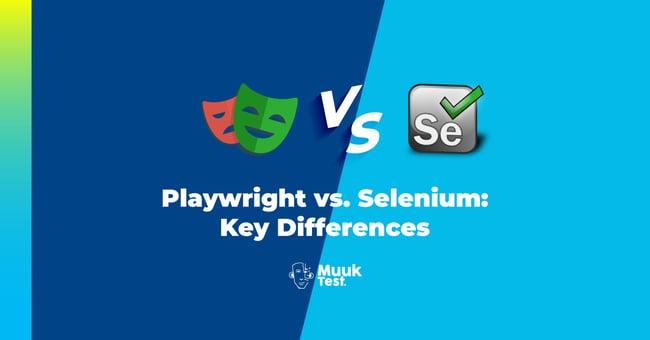
Playwright vs Selenium compares two popular automation testing frameworks. Selenium has long been a standard for browser automation, while Playwright offers newer capabilities like built-in support for modern browsers and simpler cross-platform testing. Understanding their differences helps teams choose the right tool for reliable, efficient automated test execution.