Latest post

flexible qa
Unlocking Team Potential with Flexible QA Solutions
Team sizes vary across organizations. For example, some companies have an in-house QA Team of 50 people (including QA Engineers, Automation Engineers, SDETs, etc.), while others have only a few testers. Some teams have no QA support at all. In addition to team size, release cycles are another variable to consider. Some companies release new updates or versions of their apps every week, while others have cycles ranging from one to three months.
Read More
API lifecycle
Lifecycle of an API
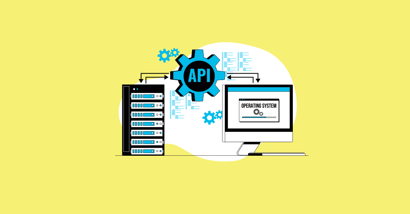
Due to the evolution of the API-first companies like Stripe, Shopify, or Twilio, there has been a lot of attention to APIs in recent times. Thus implementing/adopting those APIs requires a disciplined skill set. It’s not just a single-day process; it’s a commitment toward it.
Read More
automated regression testing
A Guide to Automated Regression Testing Software
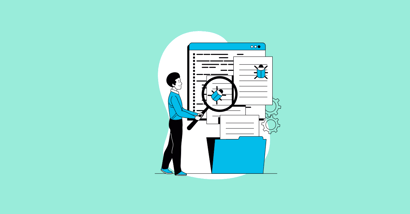
In the fast-paced world of software development, releasing high-quality products quickly is paramount. But how do you ensure that new features don't introduce bugs or break existing functionality? Automated regression testing software is the answer. It's your quality assurance superhero, systematically retesting your application after every code change. Regression testing ensures that your application continues to work as designed after any new fixes or updates. These days, most software changes are made in response to user feedback or a change in business requirements. That makes regression testing even more important—if your application isn’t regression tested, every new change could introduce bugs or quirks that only appear under specific circumstances.
Read More
automated functional testing software
Automated Functional Testing Software: Definition, Benefits, and Best Practices
Software that breaks after an update frustrates users and costs time. Automated functional testing software helps prevent that by automatically checking that your application’s key features still work as expected. Instead of manually clicking through the app to verify functionality, this software runs test scripts that simulate user actions and validate the results. It’s faster, more reliable, and far less prone to human error. Functional testing software is essential for modern development teams. It speeds up releases, catches bugs early, and gives teams the confidence to ship changes without breaking existing features. Manual testing is often repetitive and time-consuming. Automation handles routine checks, allowing QA teams to focus on high-value tasks, such as identifying edge-case bugs and enhancing the user experience. In short, this is a smarter way to test. It keeps your product stable as it grows and helps your team deliver better software, faster.
Read More
non-functional testing
Non-Functional Testing Explained
Non-functional testing is just as critical as functional testing. When testing software, testers are required to perform both functional and non-functional testing with equal weightage. To understand non-functional testing more clearly, let’s first examine how it differs from functional testing.
Read More

Subscribe to our newsletter